The Allure of Oblivion
On craving, interruption, and the unbearable continuity of ordinary life.. .
The craving doesn’t announce itself as desire. It arrives as relief — a quiet fantasy of not having to be present inside a life that feels suffocatingly repetitive. It isn’t about pleasure. It’s about silence. About the promise that, for a moment, the machinery of thought might finally shut down.
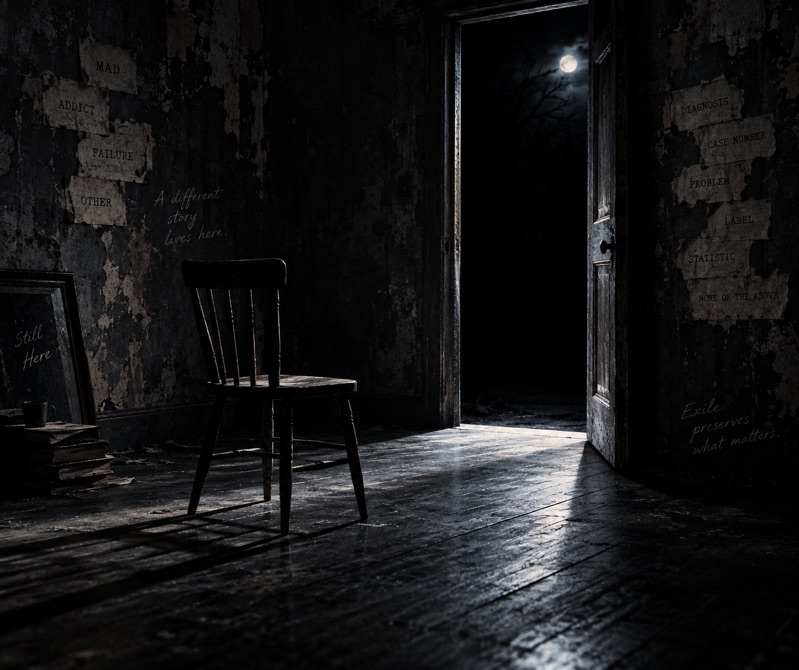
There are days when nothing is technically wrong, and that’s what makes it unbearable. The sameness. The fluorescent continuity. The slow erosion of meaning disguised as stability. Oblivion begins to feel less like self-destruction and more like mercy.
You don’t want to drink. You don’t want to use. You don’t want to disappear.
But you want the pressure to stop.
That contradiction is the torture — wanting escape without wanting the cost, craving annihilation while still loving life enough to hate yourself for the thought. The mind can search for exits not because it wants to die, but because it is exhausted from standing upright inside the mundane.
Oblivion whispers because it offers an interruption. A rupture. A brief rebellion against the unbearable responsibility of being conscious in a world that feels deadened by routine.
The tragedy is not the craving itself.
The tragedy is living in a structure where numbing yourself feels like the most honest response available.
Comments
Post a Comment